
Top Trends in STEM Education: What's Next for Young Learners


Introduction to Emerging STEM Trends
STEM education is evolving rapidly, with new trends shaping how young learners engage with science, technology, engineering, and mathematics. As educators and parents look to the future, understanding these trends is crucial for preparing students for a rapidly changing world.
Hands-On Learning Experiences
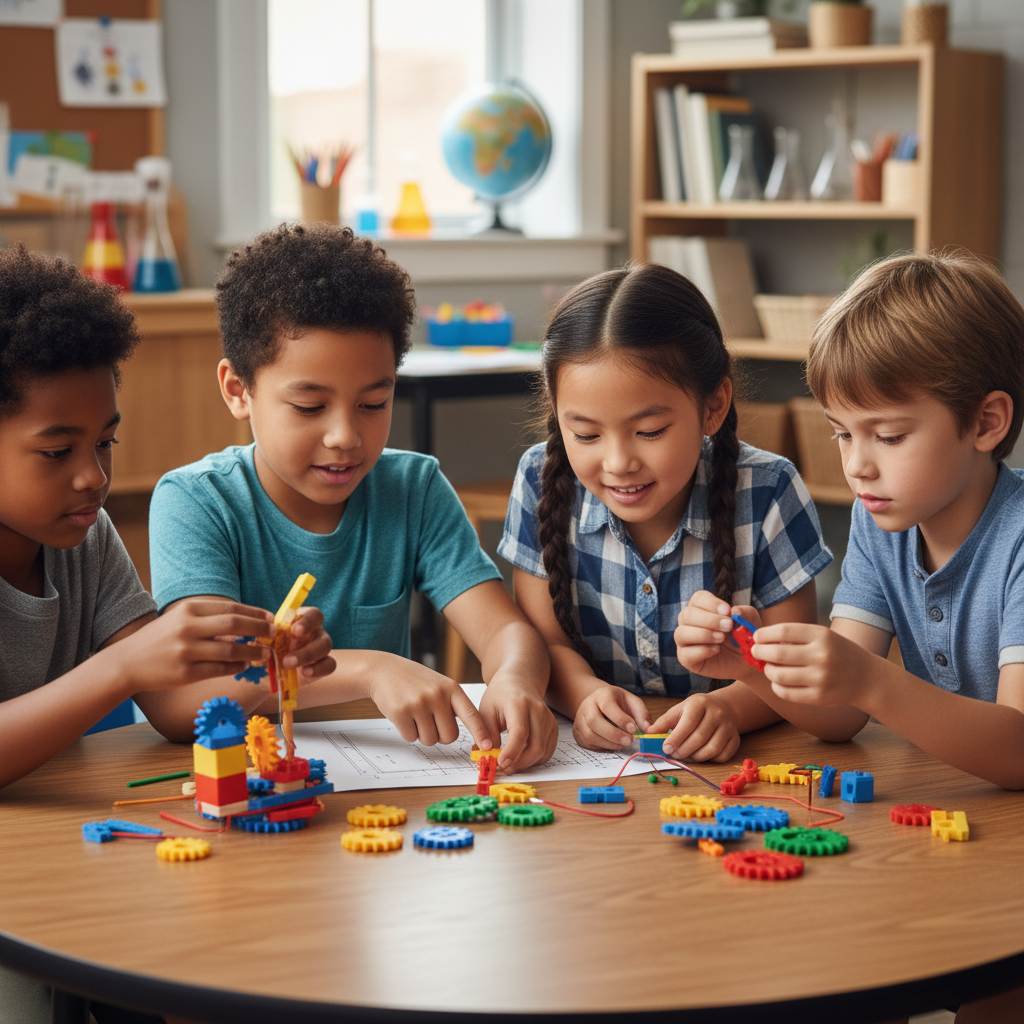
One of the most significant trends in STEM education is the shift towards hands-on learning experiences. Students are no longer confined to theoretical knowledge; instead, they are encouraged to engage in practical activities. This approach fosters a deeper understanding of concepts and helps develop problem-solving skills.
Project-Based Learning
Project-based learning (PBL) is gaining traction in STEM education. PBL allows students to work on real-world problems, promoting collaboration and critical thinking. By tackling complex issues, students learn to apply STEM principles in meaningful ways.
Integration of Technology
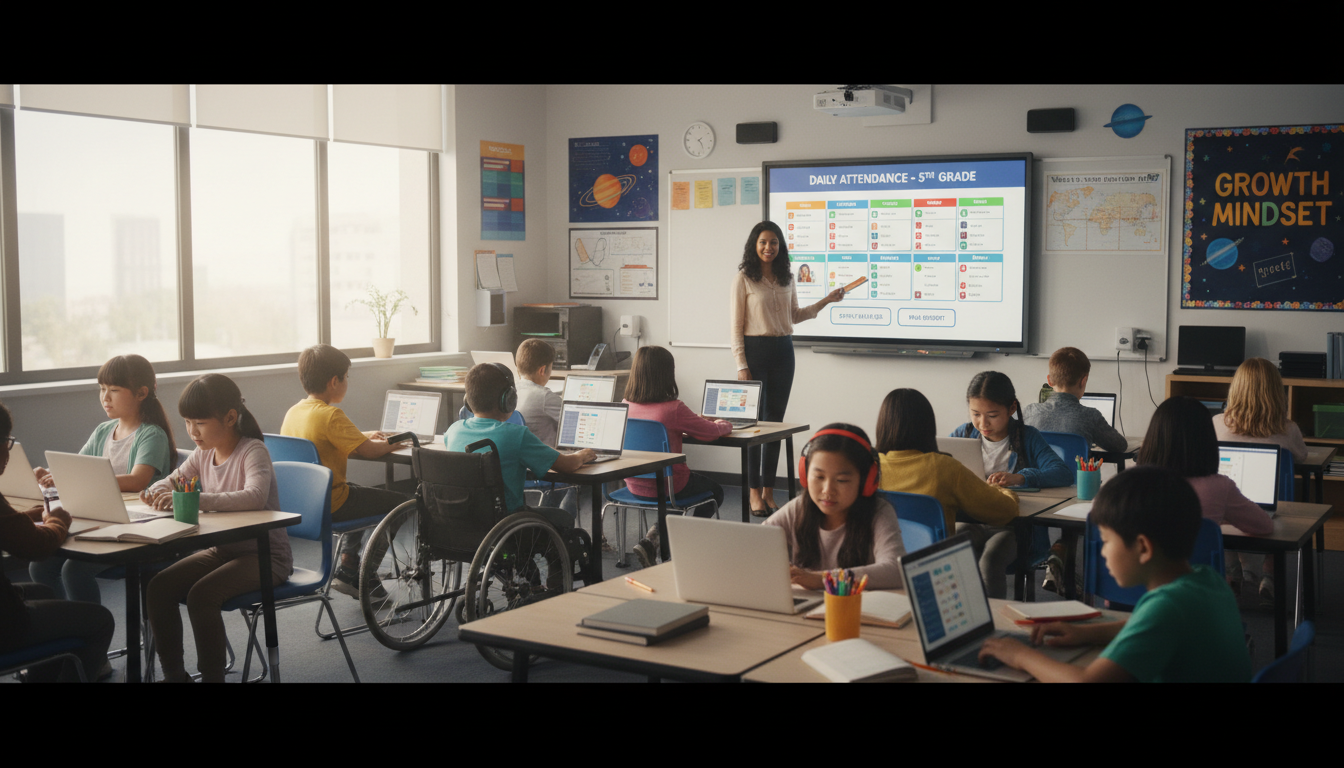
Technology integration in the classroom is another trend reshaping STEM education. From interactive software to virtual labs, technology is making STEM subjects more accessible and engaging. These tools help to bridge the gap between theoretical knowledge and practical application.
Artificial Intelligence and Robotics
The incorporation of artificial intelligence (AI) and robotics into the curriculum is preparing students for the future. Through coding and robotics challenges, students gain insights into how machines work, fostering an interest in engineering and computer science careers.
Focus on Inclusivity and Diversity
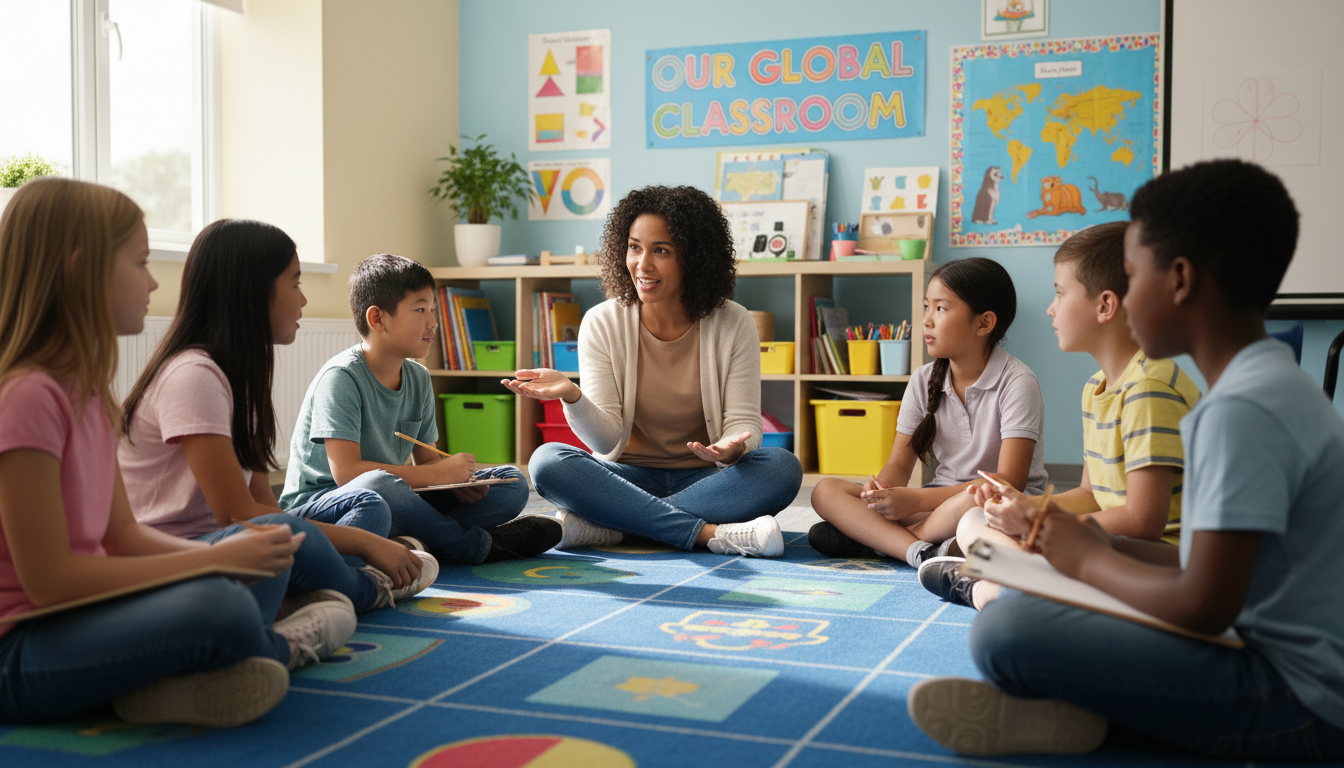
STEM education is also focusing more on inclusivity and diversity. Programs are being developed to ensure that students from all backgrounds have equal opportunities to explore and excel in STEM fields. This shift is crucial for fostering a diverse and innovative future workforce.
Encouraging Female Participation
Efforts are being made to encourage more girls to pursue STEM subjects. Initiatives like mentorship programs and STEM camps for girls aim to break stereotypes and inspire the next generation of female scientists and engineers.
Environmental and Sustainability Education
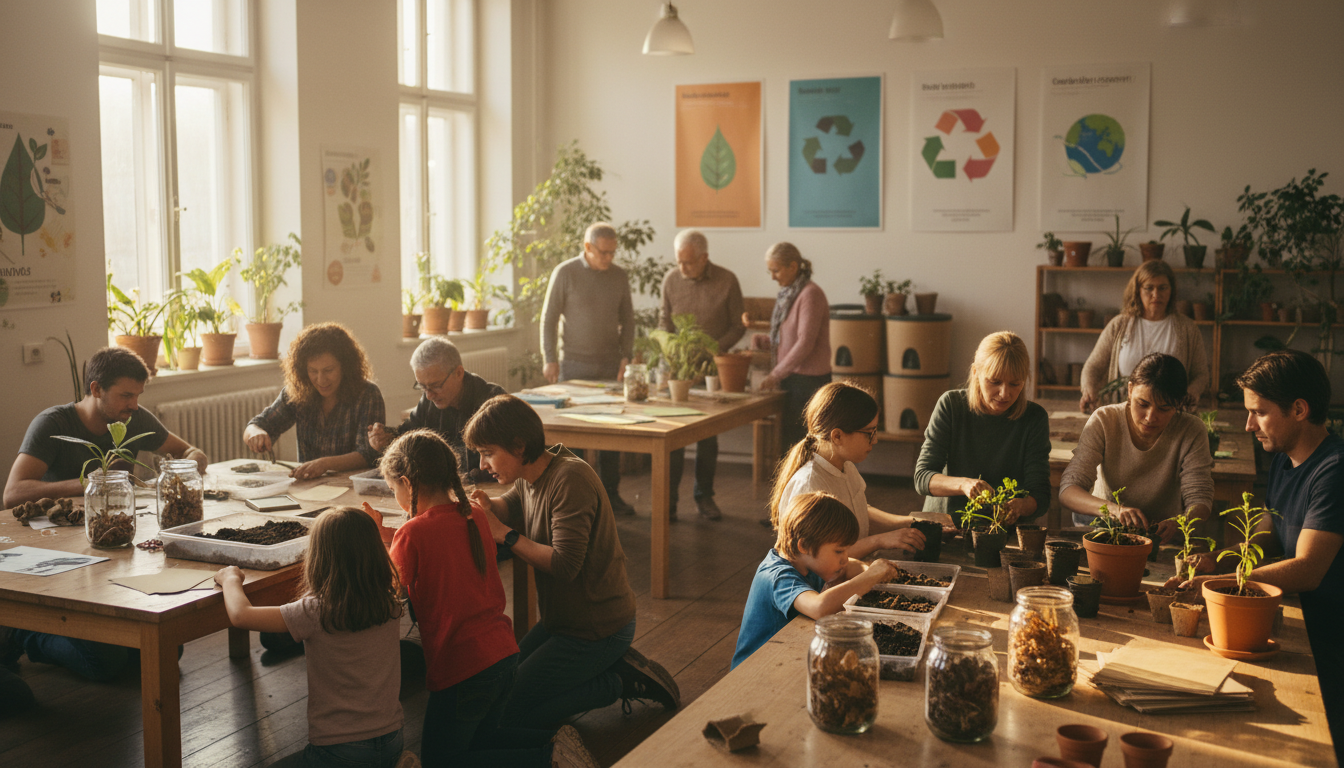
With growing awareness of environmental issues, there is an increased emphasis on sustainability within STEM education. Students are learning about renewable energy, conservation, and sustainable practices, preparing them to tackle global challenges.
Educators are incorporating sustainability projects into the curriculum, encouraging students to think critically about the impact of scientific and technological advancements on the planet.
Conclusion: Preparing for the Future
As these trends continue to evolve, the landscape of STEM education will keep transforming. By embracing hands-on learning, integrating technology, promoting diversity, and emphasizing sustainability, educators can equip young learners with the skills they need to thrive in the future.