
The Future of STEM Education: Trends and Innovations Impacting Sandy, UT


Embracing Technological Advancements in STEM Education
As the world continues to evolve with rapid technological advancements, the need to integrate these innovations into STEM education is more vital than ever. In Sandy, UT, educators and institutions are rethinking traditional approaches to ensure students are adequately prepared for the future. By embracing cutting-edge technologies, schools are setting a precedence for a more dynamic and interactive learning experience.
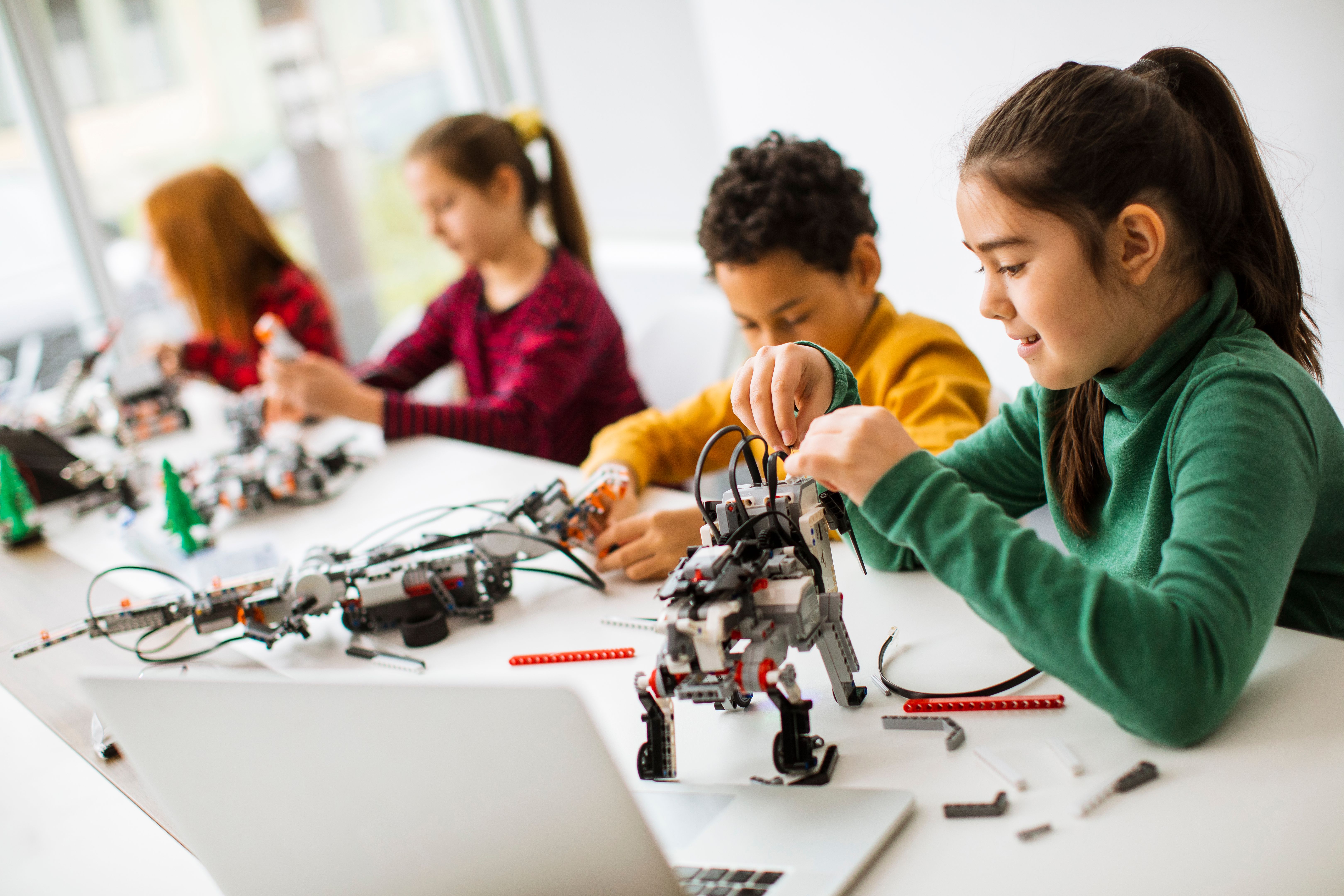
One of the most significant trends is the incorporation of virtual and augmented reality in classrooms. These technologies provide immersive experiences, making complex scientific concepts more tangible. For instance, students can explore the human body in 3D or simulate chemical reactions, enhancing their understanding and retention.
Personalized Learning and AI
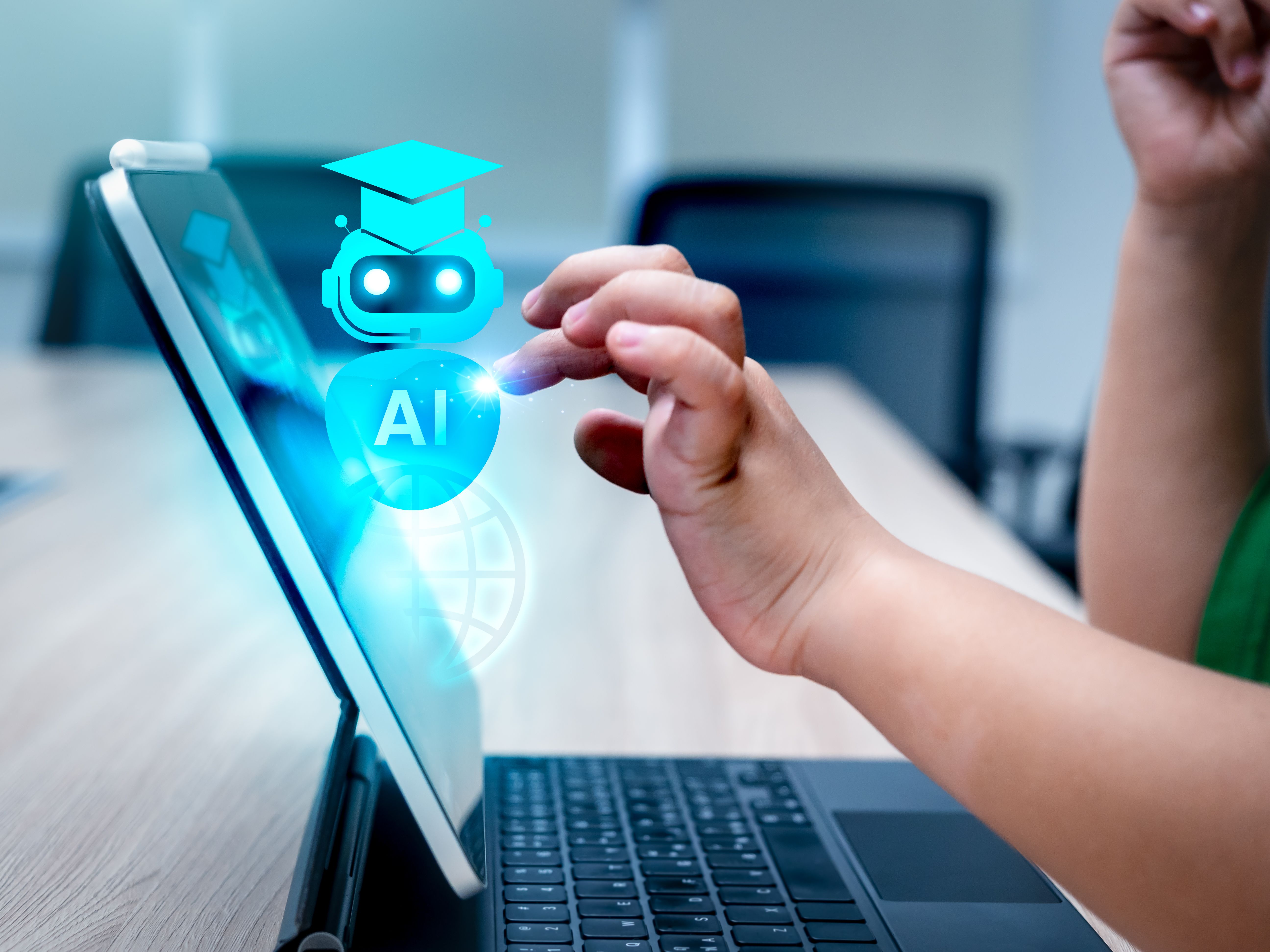
Artificial Intelligence is revolutionizing personalized learning. In Sandy, UT, educators are utilizing AI-driven platforms to tailor education to individual student needs. These platforms adapt to a student's learning pace, offering customized resources and feedback, thereby ensuring no student is left behind.
This approach not only fosters a more inclusive education system but also empowers students to take charge of their learning journey. By leveraging AI, educators can identify areas where students struggle and provide targeted support, leading to improved outcomes.
Collaborative Learning through Technology
Collaboration is a key component of modern STEM education. With the rise of digital tools, students in Sandy are now able to work together on projects regardless of their physical location. Platforms that support real-time collaboration and communication are transforming how group work is conducted.
These tools prepare students for the global workforce, where virtual collaboration is commonplace. By utilizing these technologies, students develop essential skills such as teamwork, communication, and problem-solving.
Robotics and Coding: Building Future Innovators
Robotics and coding have become integral parts of STEM curricula. Schools in Sandy are introducing students to these fields from an early age, fostering critical thinking and creativity. Robotics clubs and coding bootcamps are increasingly popular, providing hands-on experience that enhances traditional learning.
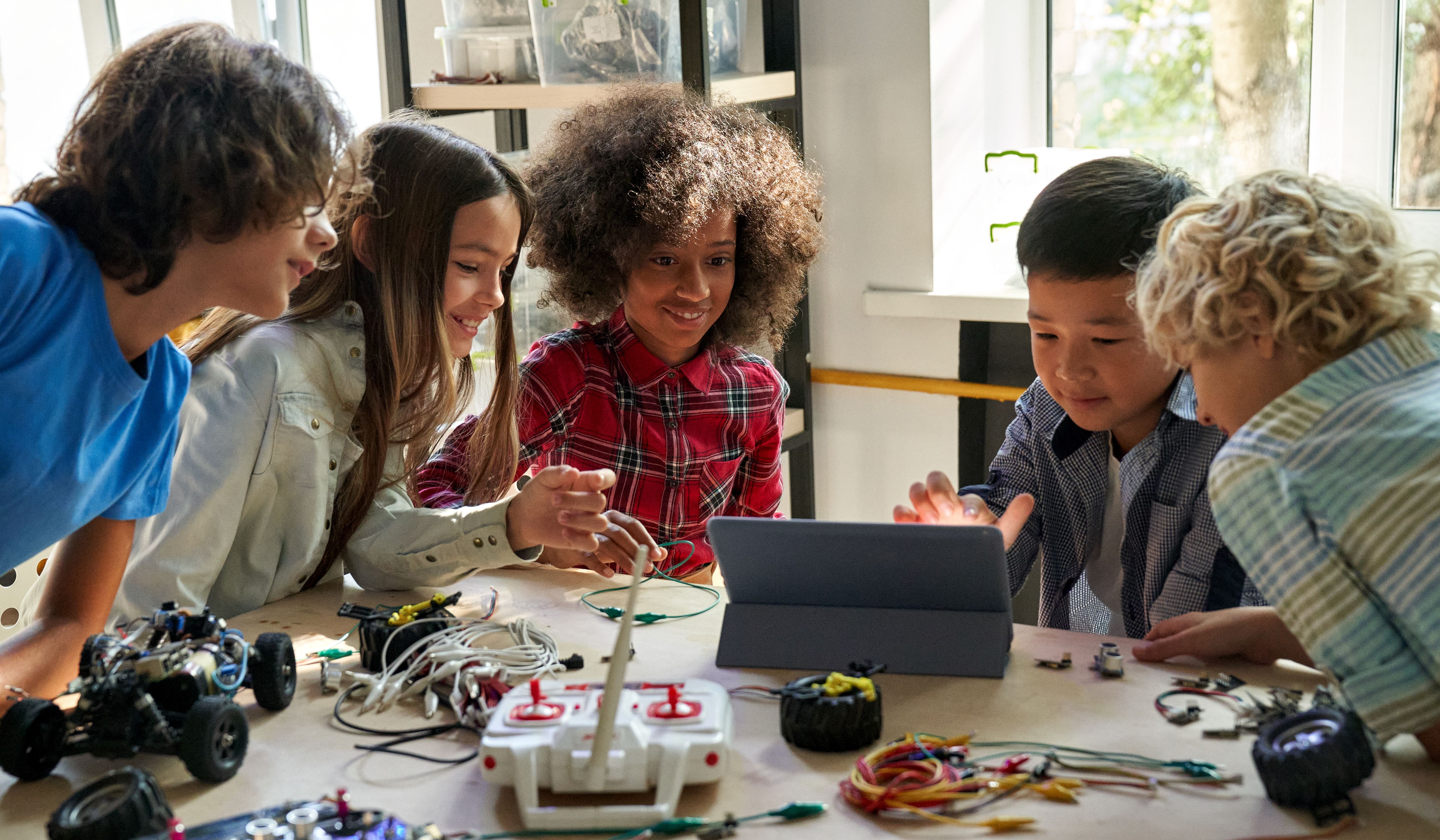
Through these programs, students gain practical skills that are highly valued in today's job market. By learning to code and build robots, they not only understand technology but also become creators, pushing the boundaries of innovation.
Environmental Science and Sustainability
With growing concerns about climate change, environmental science is becoming an essential part of STEM education. In Sandy, initiatives are underway to integrate sustainability into the curriculum, teaching students about renewable energy, conservation, and ecological impact.
These programs inspire students to think critically about the environment and encourage them to develop solutions for a sustainable future. By prioritizing environmental education, schools are preparing students to tackle the pressing challenges of tomorrow.

The Role of Community and Industry Partnerships
Community and industry partnerships are crucial in advancing STEM education. In Sandy, collaborations with local businesses and organizations provide students with real-world experience and mentorship opportunities. These partnerships bridge the gap between education and industry, ensuring students gain relevant skills.
By working closely with industry experts, students can explore various career paths and gain insights into the latest technological trends. These experiences are invaluable, providing a competitive edge in their future endeavors.
As Sandy, UT, continues to innovate in STEM education, the focus remains on equipping students with the skills and knowledge needed to thrive in a rapidly changing world. Through embracing technology, fostering collaboration, and prioritizing sustainability, the future of STEM education looks promising and impactful.