
The Benefits of Hands-On Learning: How It Transforms STEM Education


Introduction to Hands-On Learning
Hands-on learning is increasingly becoming a cornerstone of modern education, particularly in STEM (Science, Technology, Engineering, and Mathematics) fields. This approach involves learning by doing, allowing students to directly engage with the material and concepts they are studying. By moving beyond traditional lecture-based instruction, hands-on learning offers a dynamic and interactive way to understand complex topics.

Enhancing Engagement and Retention
One of the primary benefits of hands-on learning is the increased level of student engagement. When students are actively involved in their learning process, they are more likely to stay interested and motivated. This engagement leads to better retention of information, as students can connect theoretical knowledge with practical application. By manipulating real-world materials and conducting experiments, learners can see the immediate impact of their efforts.
Additionally, hands-on activities cater to various learning styles, making education more inclusive. Whether a student is a visual, auditory, or kinesthetic learner, practical experiences provide multiple ways to grasp complex STEM concepts effectively.
Building Critical Thinking Skills
Hands-on learning encourages students to think critically and solve problems creatively. In STEM education, these skills are crucial. By engaging in experiments, projects, and collaborative tasks, students learn how to analyze data, draw conclusions, and troubleshoot issues. This process of inquiry and exploration fosters a deeper understanding of scientific principles and technological innovations.

Fostering Collaboration and Communication
STEM education often involves teamwork, and hands-on learning provides a perfect platform for students to develop collaboration skills. Working in groups, students must communicate effectively, share ideas, and combine their strengths to achieve common goals. This collaborative environment mirrors the real-world workplace, preparing students for future careers in STEM fields.
Moreover, through discussions and presentations, students enhance their communication skills, which are essential for conveying complex information clearly and confidently.
Real-World Application
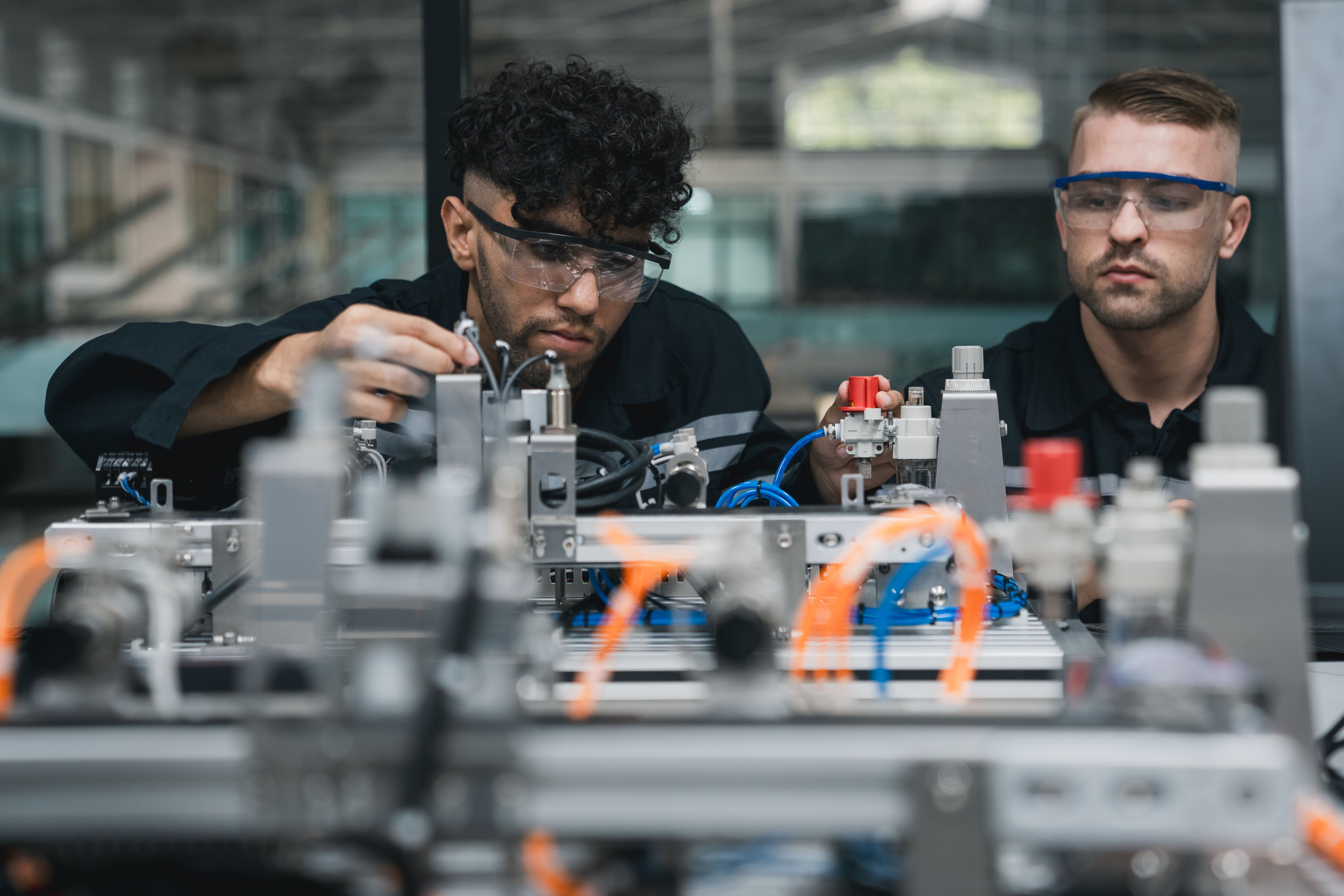
Hands-on learning bridges the gap between classroom theory and real-world application. By engaging in projects that simulate real-life scenarios, students gain a practical understanding of how STEM concepts are used in various industries. This practical exposure helps students see the relevance of their studies and inspires them to pursue STEM careers.
Encouraging Innovation and Creativity
In an ever-evolving world, innovation and creativity are vital. Hands-on learning empowers students to experiment, take risks, and think outside the box. By providing opportunities to design, build, and test their ideas, educators can nurture the next generation of innovators and problem-solvers.
This approach encourages students to embrace failure as a part of the learning process, teaching them resilience and perseverance. As they iterate on their projects, they learn to refine their ideas and develop innovative solutions.
Conclusion
Hands-on learning is transforming STEM education by making it more engaging, practical, and relevant. By fostering critical thinking, collaboration, and creativity, this approach prepares students for the challenges of the modern world. As education continues to evolve, hands-on learning will play a crucial role in shaping the future of STEM.