
STEM Education Trends: What’s New and Exciting in Learning Innovation


The Rise of Interactive Learning Platforms
In recent years, the landscape of STEM education has been transformed by the emergence of interactive learning platforms. These platforms leverage technology to create engaging and immersive educational experiences. By integrating elements like gamification and virtual reality, students are able to explore complex concepts in a hands-on manner.
One of the most exciting aspects of these platforms is their ability to provide personalized learning paths. Students can progress at their own pace, ensuring they fully understand one topic before moving on to the next. This tailored approach helps in addressing the unique needs and learning styles of each student.
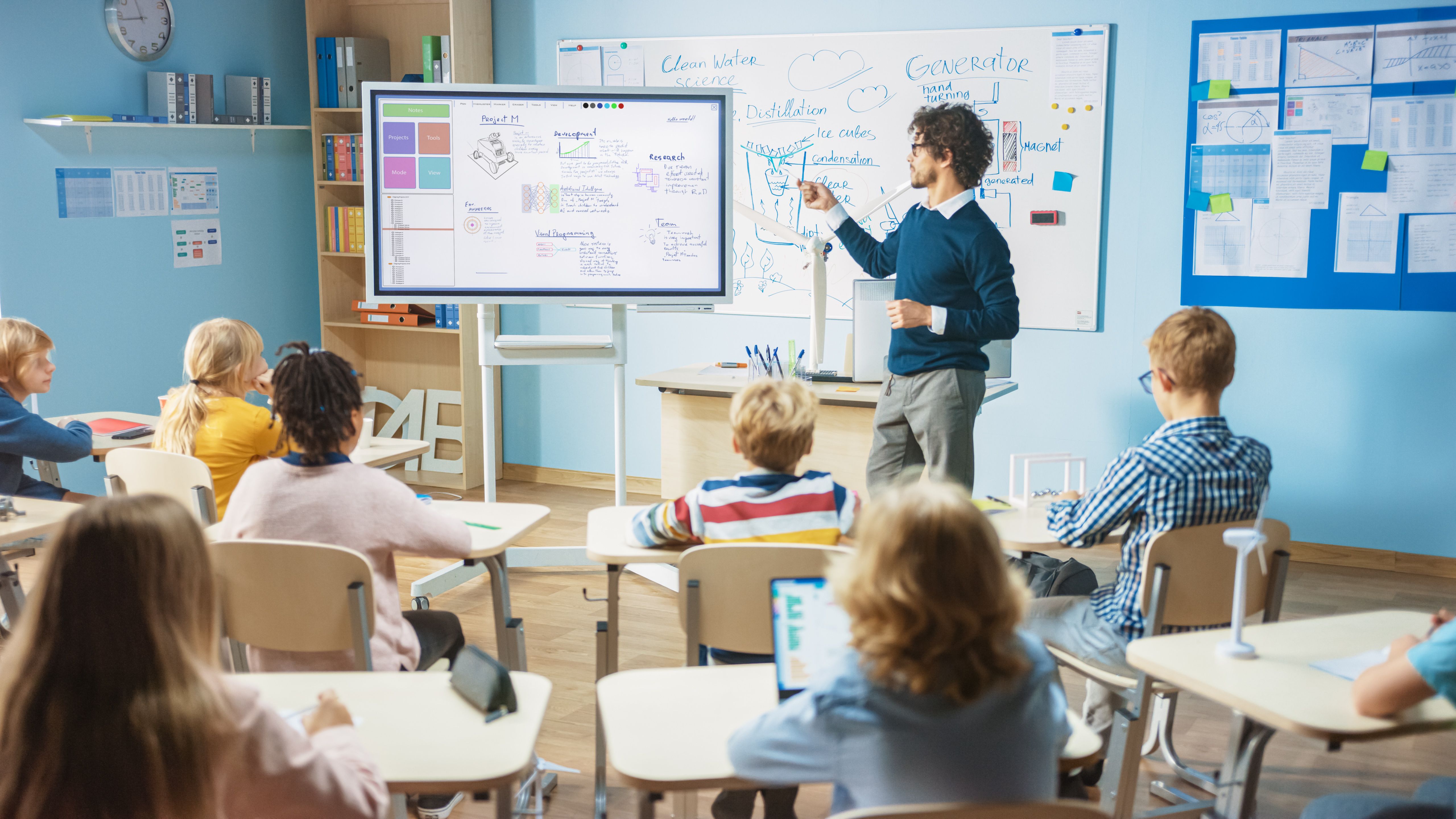
Robotics and Coding: Preparing for the Future
Coding and robotics have become fundamental components of STEM education, providing students with essential skills for the future job market. Schools are increasingly incorporating these subjects into their curricula, often through project-based learning.
By engaging in robotics projects, students not only learn programming but also develop problem-solving and critical-thinking skills. Coding workshops and competitions further enhance their learning experience, making education both fun and rewarding.

Hands-On Science Labs with Virtual Reality
Virtual reality (VR) is revolutionizing science education by bringing hands-on labs into the digital realm. With VR, students can conduct experiments in a risk-free environment, exploring scenarios that would be impossible or too dangerous in a traditional lab setting.
This innovative approach not only makes science more accessible but also ignites a sense of curiosity and exploration. By simulating real-world applications, students gain a deeper understanding of scientific principles.

AI and Data Science in the Classroom
Artificial intelligence (AI) and data science are becoming integral parts of STEM education. Educators are using AI to create adaptive learning environments that respond to the needs and progress of individual students.
Data science, on the other hand, equips students with the skills to analyze and interpret large volumes of information. This is crucial in a world where data-driven decision-making is becoming the norm. As these fields continue to evolve, their integration into education will likely expand.
Collaborative Learning Through Online Communities
Online communities are playing a significant role in fostering collaborative learning among students. Platforms that connect learners from different parts of the world allow for the exchange of ideas and solutions, enriching the educational experience.
These communities not only provide a space for discussion but also offer resources such as tutorials, webinars, and forums. By participating, students can gain insights from diverse perspectives and enhance their understanding of STEM subjects.

The Role of 3D Printing in STEM Education
3D printing is opening new doors in STEM education, allowing students to transform digital designs into tangible objects. This technology is particularly beneficial in fields such as engineering and design, where prototyping plays a crucial role.
By engaging with 3D printing, students can visualize and test their ideas, fostering creativity and innovation. This hands-on approach not only enhances learning but also prepares students for careers in technology and engineering.