
Innovative STEM Trends in Education: What's Next for Kids?


The Rise of Interactive Learning
As technology advances, interactive learning tools are becoming a staple in classrooms worldwide. These tools make learning more engaging by allowing students to interact with the material in dynamic ways. From virtual reality experiences that transport students to ancient civilizations to interactive simulations that demonstrate complex scientific concepts, the possibilities are endless.

One of the most exciting developments is the use of augmented reality (AR) in education. AR overlays digital information on the real world, providing students with a richer understanding of complex topics. For example, medical students can visualize the human anatomy in 3D, gaining insights that textbooks alone cannot provide.
Gamification in Education
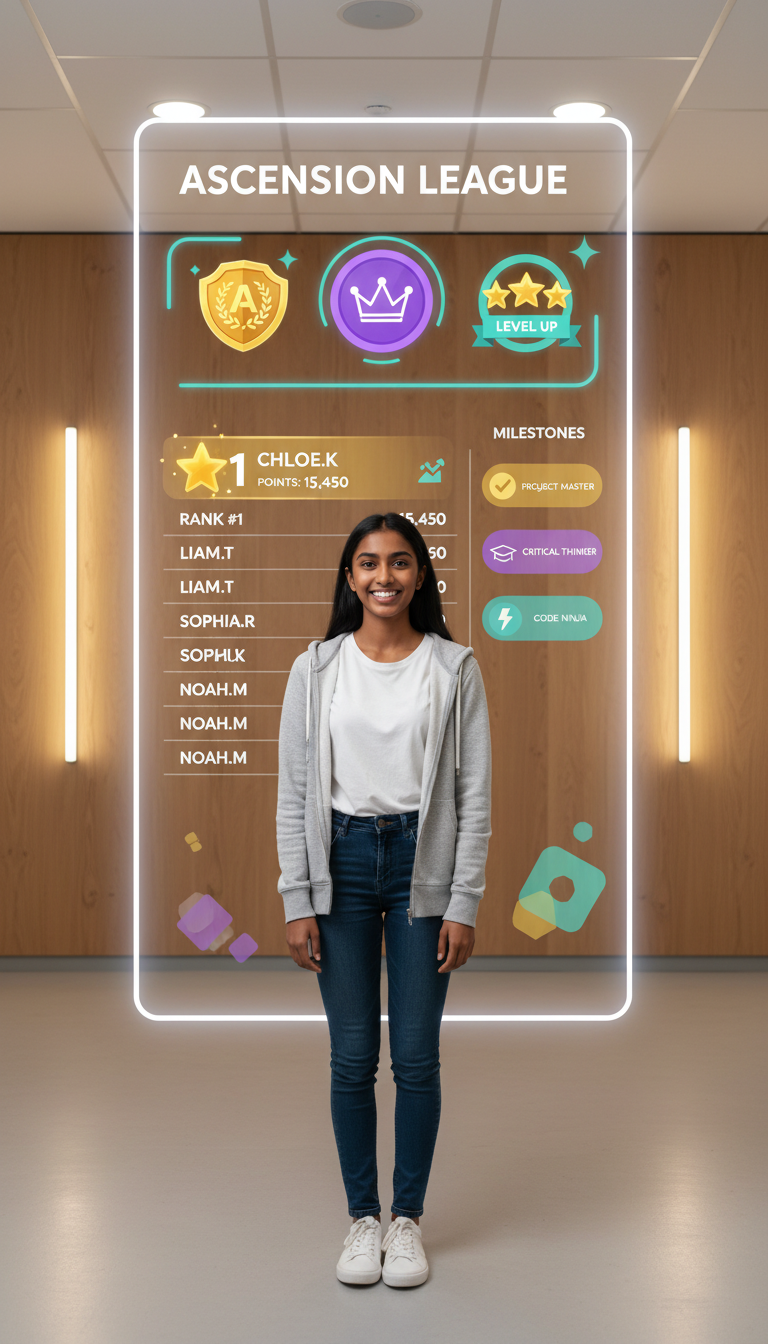
Gamification is another trend gaining traction in STEM education. By incorporating game-like elements into learning, educators can motivate students and enhance their problem-solving skills. This approach turns learning into a fun and competitive experience, encouraging students to engage more deeply with the material.
Some popular gamified platforms include coding games that teach programming logic and math challenges that reward students with points and badges. These platforms not only make learning enjoyable but also help students develop critical thinking and persistence.
The Impact of Artificial Intelligence
Artificial intelligence (AI) is revolutionizing education by providing personalized learning experiences. AI-powered platforms can assess a student's strengths and weaknesses, tailoring content to meet their individual needs. This personalized approach ensures that each student can learn at their own pace, maximizing their potential.
Moreover, AI can assist teachers by automating administrative tasks, allowing them to focus more on teaching and less on paperwork. This shift not only improves efficiency but also enhances the quality of education by allowing educators to dedicate more time to student interaction.

Collaborative Learning Environments
Collaborative learning environments are becoming increasingly popular as they promote teamwork and communication skills. These environments often utilize digital platforms where students can work together on projects, share ideas, and provide feedback to one another.
Such collaboration mirrors real-world scenarios, preparing students for the workforce where teamwork is essential. By working together, students learn from each other and develop a deeper understanding of the subject matter.
Emphasis on Sustainability
Sustainability is becoming a critical component of STEM education. As the world grapples with environmental challenges, educators are integrating sustainability into the curriculum to prepare students for future roles in solving these global issues.
Projects focused on renewable energy, conservation, and sustainable technologies are teaching students the importance of environmental stewardship. This approach not only educates but also inspires the next generation of innovators to develop solutions for a sustainable future.

The Future of STEM Education
Looking ahead, the future of STEM education is bright and full of potential. As technology continues to evolve, so too will the opportunities for students to learn and grow. By embracing these innovative trends, educators can provide a more engaging, personalized, and effective learning experience for all students.
The integration of these trends into the classroom is setting the stage for a new era of education—one that equips students with the skills and knowledge they need to thrive in an ever-changing world.