Innovative STEM Curriculum Trends: What to Expect This Year


Embracing Technology in STEM Education
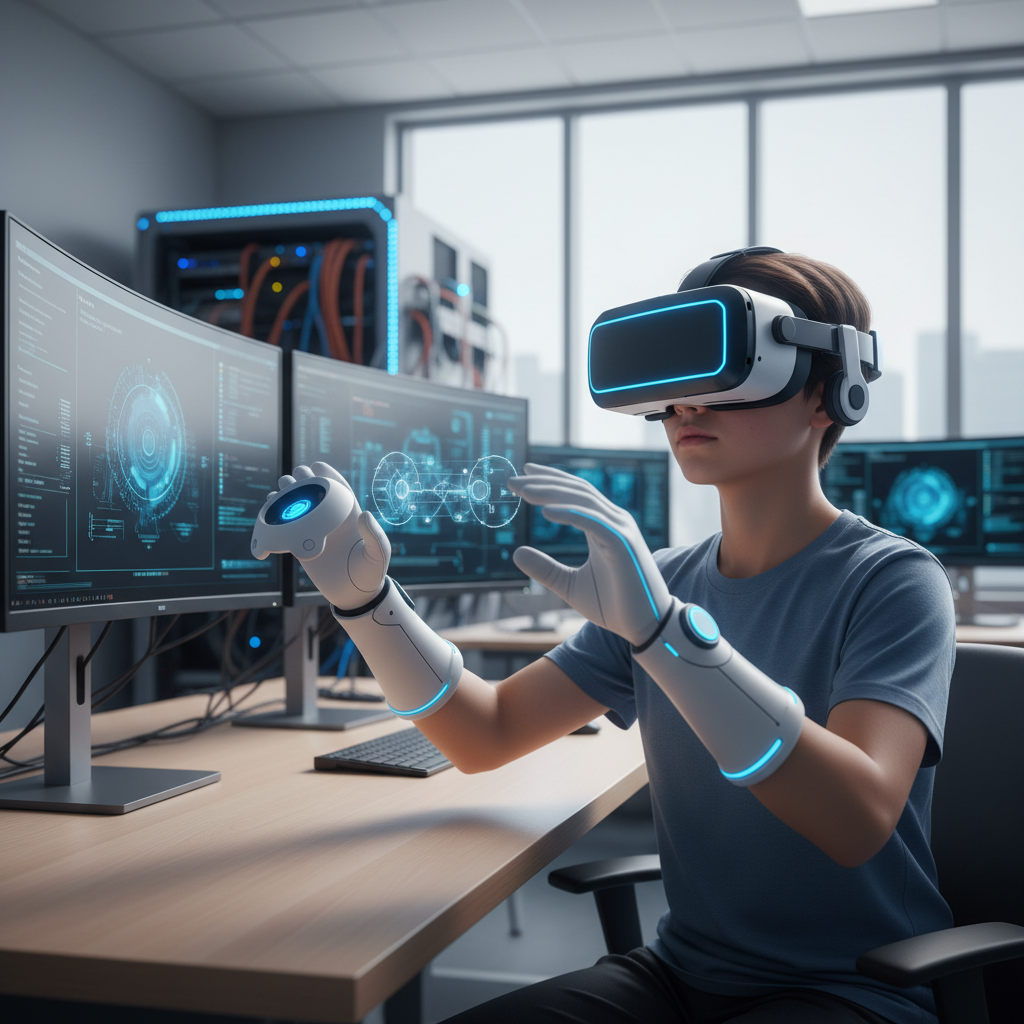
This year, educators are placing a greater emphasis on integrating cutting-edge technology into STEM curricula. By incorporating tools like virtual reality (VR) and augmented reality (AR), students can experience immersive learning environments that bring abstract concepts to life. These technologies not only enhance engagement but also cater to various learning styles.
Moreover, the use of AI-driven platforms is becoming more prevalent. These platforms personalize learning experiences, adapting to individual student needs and progress. As technology continues to evolve, schools are tasked with preparing students for future careers in an increasingly digital world.
Project-Based Learning Takes Center Stage
Project-based learning (PBL) is gaining traction as a method to deepen understanding and foster critical thinking skills. This approach encourages students to collaborate on real-world projects, which helps them develop problem-solving and teamwork abilities. By working on tangible projects, students can see the direct application of STEM concepts in everyday life.
Teachers are also integrating interdisciplinary projects, blending science, technology, engineering, and math with subjects like art and humanities. This holistic approach not only enriches learning but also cultivates creativity and innovation among students.

Focus on Sustainability and Environmental Education
As global awareness of environmental issues grows, STEM curricula are increasingly incorporating sustainability and environmental education. Students are learning about renewable energy, conservation, and sustainable practices, preparing them to tackle pressing ecological challenges.
Schools are partnering with local organizations to provide hands-on experiences, such as community gardening and energy conservation projects. These initiatives empower students to make a positive impact on their communities while understanding the importance of sustainable living.

Building a Diverse and Inclusive STEM Environment
There's a strong push towards creating diverse and inclusive STEM environments. Educators are implementing strategies to ensure all students, regardless of background, have equal access to STEM opportunities. This includes providing mentorship programs and resources tailored to underrepresented groups.
Efforts are being made to highlight diverse role models in STEM fields, inspiring students by showcasing varied pathways to success. By fostering an inclusive atmosphere, schools aim to cultivate a generation of innovators who reflect the diversity of our society.
Enhancing Teacher Training and Resources
To support these innovative curriculum trends, there's an increased focus on enhancing teacher training. Educators are receiving professional development in utilizing new technologies and methodologies effectively. Access to resources, such as online workshops and collaborative networks, equips teachers with the tools they need to deliver impactful STEM education.
This commitment to professional growth ensures that teachers remain at the forefront of educational advancements, ultimately benefiting students and preparing them for future challenges.