
Innovative STEM Curriculum: Transforming the Future of Education


Embracing Change in Education
In recent years, the landscape of education has undergone significant transformations. One of the most notable changes is the integration of innovative STEM (Science, Technology, Engineering, and Mathematics) curricula. These programs are not just about teaching students facts and figures; they are about equipping them with the skills and knowledge necessary to thrive in a rapidly changing world.
The traditional methods of teaching are evolving to accommodate this new approach. Educators are increasingly focusing on problem-solving, critical thinking, and hands-on learning to foster a deeper understanding of STEM subjects.

The Importance of STEM Education
STEM education is essential for several reasons. Firstly, it prepares students for the future job market, where many of the fastest-growing occupations require STEM skills. Secondly, it encourages creativity and innovation, which are crucial for technological advancements. Lastly, STEM education promotes inclusivity by providing equal opportunities for all students to excel in these critical areas.
By fostering an environment where students can explore and experiment, educational institutions are helping to cultivate the next generation of innovators and leaders.
Science: Exploring the Natural World
Science education encourages students to explore the world around them. Through experiments and observation, students learn how to formulate hypotheses, conduct research, and analyze results. This hands-on approach not only makes learning more engaging but also helps students understand the practical applications of scientific concepts.
- Encouraging curiosity and inquiry
- Understanding scientific principles
- Developing analytical skills

Technology: Navigating the Digital Era
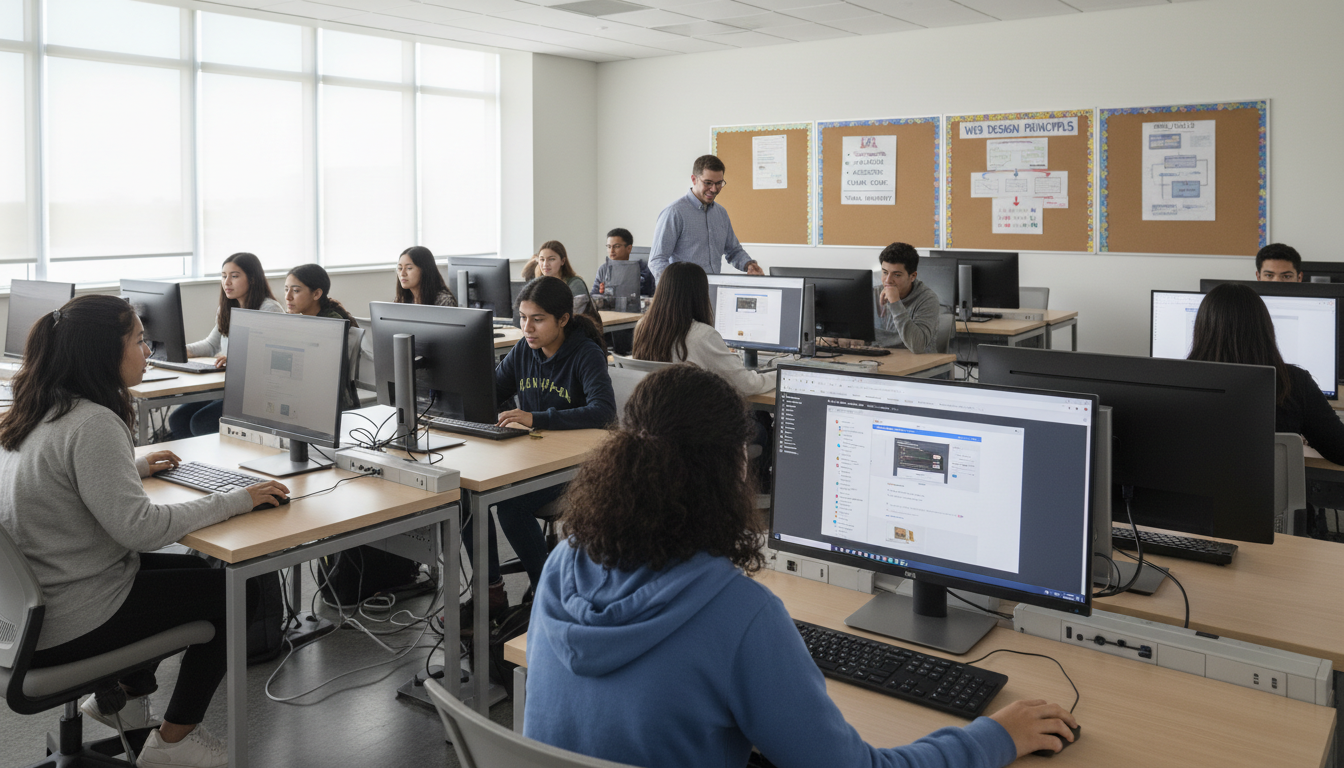
With technology becoming an integral part of daily life, it is crucial for students to understand how it works. Technology education covers everything from basic computer skills to advanced programming. By learning these skills, students can become proficient in navigating and innovating within the digital landscape.
Moreover, technology education helps bridge the digital divide, ensuring that all students have access to the tools and resources they need to succeed.
- Enhancing digital literacy
- Promoting responsible use of technology
- Fostering innovation and creativity
Engineering: Building the Future
Engineering education introduces students to the principles of design and construction. By engaging in projects that require building models or solving engineering challenges, students learn how to apply scientific and mathematical concepts to real-world problems. This approach nurtures critical thinking and creativity, essential skills for future engineers.
Additionally, engineering projects often require teamwork, helping students develop collaboration and communication skills.
Mathematics: The Language of the Universe
Mathematics is the foundation of STEM education. It teaches students how to think logically and solve complex problems. By understanding mathematical concepts, students can better grasp the intricacies of science, technology, and engineering.
Innovative math curricula often incorporate interactive tools and real-life applications, making math more relatable and less intimidating for students.

Conclusion: The Future of Education
Innovative STEM curricula are transforming education by preparing students for a future where these skills are in high demand. By focusing on hands-on learning, critical thinking, and problem-solving, educators are helping students develop the tools they need to succeed in the 21st-century workforce.
As we continue to embrace and implement these innovative approaches, we can look forward to a future where education empowers students to become the innovators and leaders of tomorrow.