
How STEM Education Prepares Your Child for a Changing World


The Importance of STEM Education
In today's rapidly evolving world, the significance of STEM education—Science, Technology, Engineering, and Mathematics—cannot be overstated. As technological advancements continue to reshape industries and job markets, equipping children with STEM skills is crucial for their future success. STEM education not only fosters critical thinking and problem-solving abilities but also prepares children to navigate and thrive in a changing world.
Developing Critical Thinking and Problem-Solving Skills
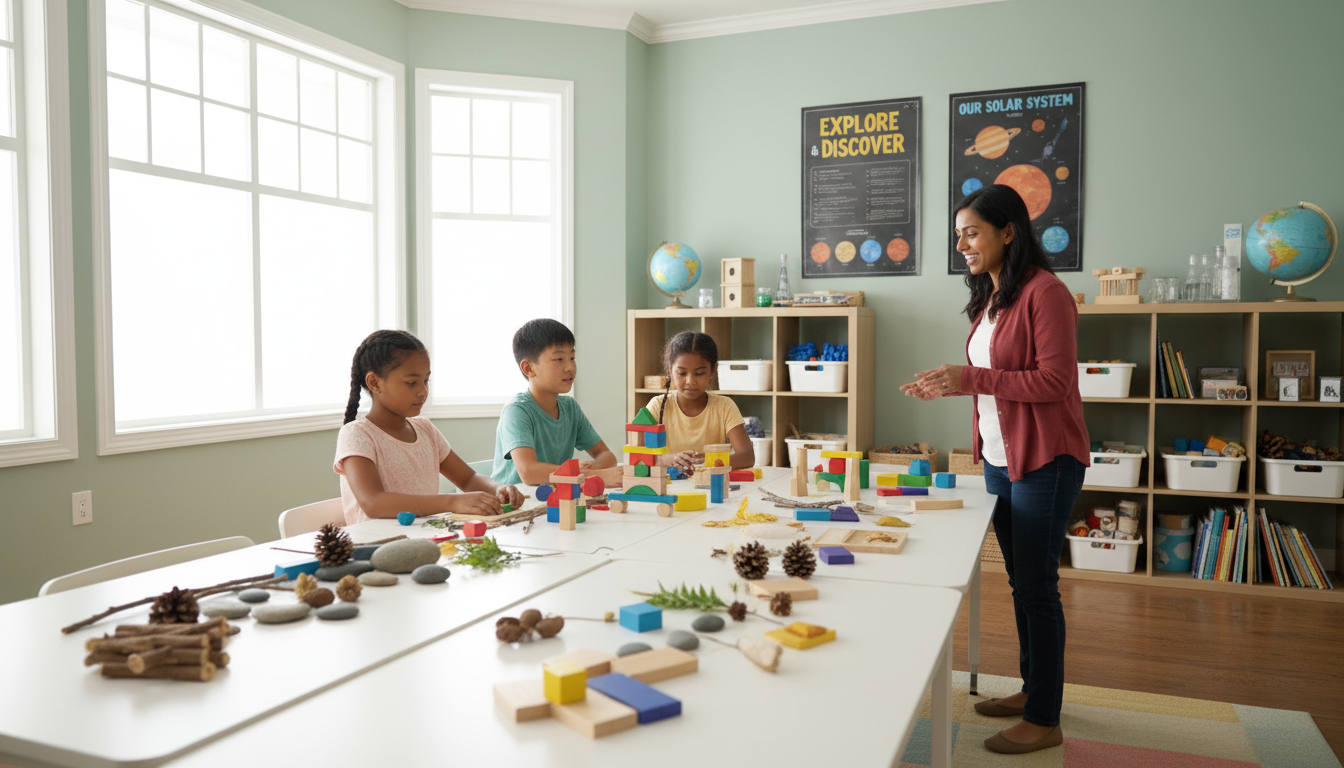
STEM education emphasizes an inquiry-based learning approach that encourages students to ask questions, explore, and experiment. This method helps in developing critical thinking skills, enabling children to assess situations, identify problems, and devise effective solutions. These skills are essential as they prepare children to tackle complex real-world challenges.
Moreover, STEM subjects teach students how to analyze data and draw conclusions, which are vital competencies in any field. By engaging in hands-on projects and experiments, children learn to think analytically and creatively, laying a strong foundation for future learning and career success.
Preparing for Future Careers
The job market is increasingly leaning towards STEM-related fields. According to the U.S. Bureau of Labor Statistics, STEM occupations are projected to grow significantly faster than non-STEM occupations. By introducing children to STEM education early, we are preparing them for a wide range of career opportunities in fields such as technology, engineering, healthcare, and more.

STEM education also encourages a mindset of innovation and entrepreneurship. Children learn to embrace challenges and view failures as learning opportunities, which is a crucial mindset for success in any career. By understanding the principles of STEM, students are better equipped to contribute to and lead in tomorrow's job market.
Encouraging Teamwork and Collaboration
STEM projects often require teamwork and collaboration, teaching children how to work effectively with others. As students collaborate on projects, they learn to communicate ideas, listen to diverse perspectives, and build on each other's strengths. These experiences are invaluable in preparing them for collaborative work environments.
By working together, students also develop empathy and understanding, which are essential soft skills in both personal and professional settings. The ability to collaborate and communicate effectively is increasingly important in today's interconnected world.

Fostering Creativity and Innovation
While STEM is often associated with technical skills, it also plays a significant role in fostering creativity and innovation. By exploring scientific concepts and experimenting with technology, children learn to think outside the box and develop innovative solutions. This creativity is essential in driving progress and finding new ways to address global challenges.
Furthermore, integrating arts into STEM—turning it into STEAM—encourages even more creative thinking. Arts education complements STEM learning by promoting imagination and design thinking, which are crucial for innovation.
Conclusion
In conclusion, STEM education equips children with the necessary skills to adapt and excel in a rapidly changing world. By developing critical thinking, problem-solving abilities, and fostering creativity, STEM education prepares children not only for future careers but also for lifelong learning and success. As parents and educators, investing in STEM education is a vital step towards securing a brighter future for our children.